Home Charging Is the Foundation of EV Ownership
Relying on public charging infrastructure is workable for occasional needs, but for daily driving, home charging is where EV ownership actually becomes convenient. A Level 2 home charger -- operating on a 240V dedicated circuit -- restores 20 to 30 miles of range per hour of charging. Most vehicles plugged in overnight arrive at full charge by morning.
Without a Level 2 charger, you're using a standard 120V Level 1 connection, which adds only 3 to 5 miles per hour. For most drivers, that's not enough to reliably recover range between days.
Rol Air's licensed electricians install home EV charging systems for homeowners across Elk River, Sauk Rapids, Otsego, St. Michael, Albertville, Sauk Rapids, and the NW Twin Cities. Installation includes the dedicated circuit, the EVSE rough-in, permit management, and final testing. We also evaluate your electrical panel capacity upfront so there are no surprises mid-project.
Level 1 vs. Level 2: The Practical Difference
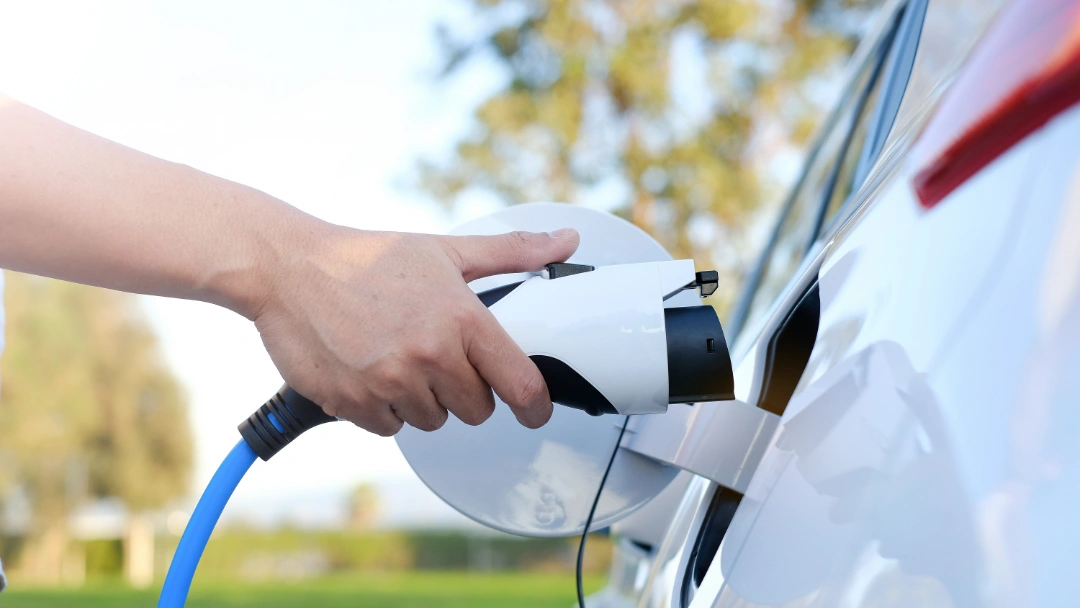
Level 1 charging uses a standard NEMA 5-15 outlet. No new electrical work is required, but charging speed is slow: 3 to 5 miles of range per hour. For a vehicle with a 250-mile range, a full charge from empty takes 50 or more hours.
Level 2 charging requires a 240V circuit with a NEMA 14-50 outlet or hardwired EVSE connection, typically running at 30 to 50 amps. Charging speed increases to 20 to 30 miles of range per hour, or roughly 6 to 8 hours for a full charge on most vehicles. For daily drivers, this is the practical minimum for comfortable EV ownership.
What the Installation Process Involves
A Level 2 EV charger installation starts with a panel capacity evaluation. A 30-amp or 50-amp dedicated circuit requires available breaker space and adequate service capacity -- typically 200-amp service. Homes with 100-amp panels or panels already near capacity may need a panel upgrade before installation can proceed.
Once panel capacity is confirmed, the installation involves running a dedicated circuit from the panel to the charging location (typically the garage), installing the outlet or EVSE unit, and obtaining and closing the required permit. Rol Air handles permitting as part of the job. Financing options are available for projects that include a panel upgrade.
EV Charging in Minnesota Winters
Cold weather affects EV batteries directly. Below-freezing temperatures can reduce usable range by 15 to 30 percent as the battery management system diverts energy to thermal regulation. This makes reliable home charging more important, not less -- you want a full charge when you leave, regardless of what the battery did overnight in the cold.
The good news: Level 2 chargers are not meaningfully affected by cold weather. The charging hardware operates normally in Minnesota temperatures. Some EVSE units include Wi-Fi connectivity that allows charge scheduling -- a useful feature for owners who want to end their charge cycle just before departure to maximize battery temperature and range.
Charger Selection Guidance
Rol Air installs customer-supplied EVSE units and can provide guidance on charger selection based on your vehicle's onboard charger capacity, driving patterns, and panel amperage. Key factors:
- Onboard charger capacity (kW) -- determines maximum charging speed regardless of EVSE rating
- Amperage: 30A circuits serve most passenger EVs; 50A accommodates larger vehicles and faster-charging units
- Smart charging features: Wi-Fi-enabled units allow charge scheduling and energy monitoring
- NEMA 14-50 outlet vs. hardwired: outlets allow charger portability; hardwired installations are cleaner and generally preferred
When a Panel Upgrade Is Required
If your home has a 100-amp panel or is already running near capacity, a 30 or 50-amp EV circuit isn't possible without a panel upgrade. Rol Air evaluates this upfront and provides a clear picture of what's required before any commitment is made. A panel upgrade resolves capacity constraints for the EV charger and may also support other additions -- such as a whole-home generator or additional high-draw appliances.
EV Charger FAQs
Level 1 uses a standard 120V outlet and delivers approximately 3 to 5 miles of range per hour -- adequate for plug-in hybrids with small batteries, but insufficient for most battery-electric vehicles used as daily drivers. Level 2 uses a 240V circuit and delivers 20 to 30 miles of range per hour, enough to fully charge most EVs overnight. Level 2 installation requires a licensed electrician and a dedicated circuit.
Rol Air: Plumbing, Heating, Cooling & Electrical serves the following locations:
- Elk River, MN
- Zimmerman, MN
- Otsego, MN
- St. Michael, MN
- Albertville, MN
- Anoka, MN
- Brooklyn Park, MN
- Buffalo, MN
- Coon Rapids, MN
- Foley, MN
- Maple Grove, MN
- Monticello, MN
- Plymouth, MN
- Princeton, MN
- Ramsey, MN
- Rogers, MN
- Sartell, MN
- Sauk Rapids, MN


OUR SERVICES
Contact Rol Air: Plumbing, Heating, Cooling & Electrical
We aim to leave all of our customers highly satisfied. If you want to have your plumbing, HVAC or electrical repair done by some of the best in the Twin Cities, call Rol Air today!
